

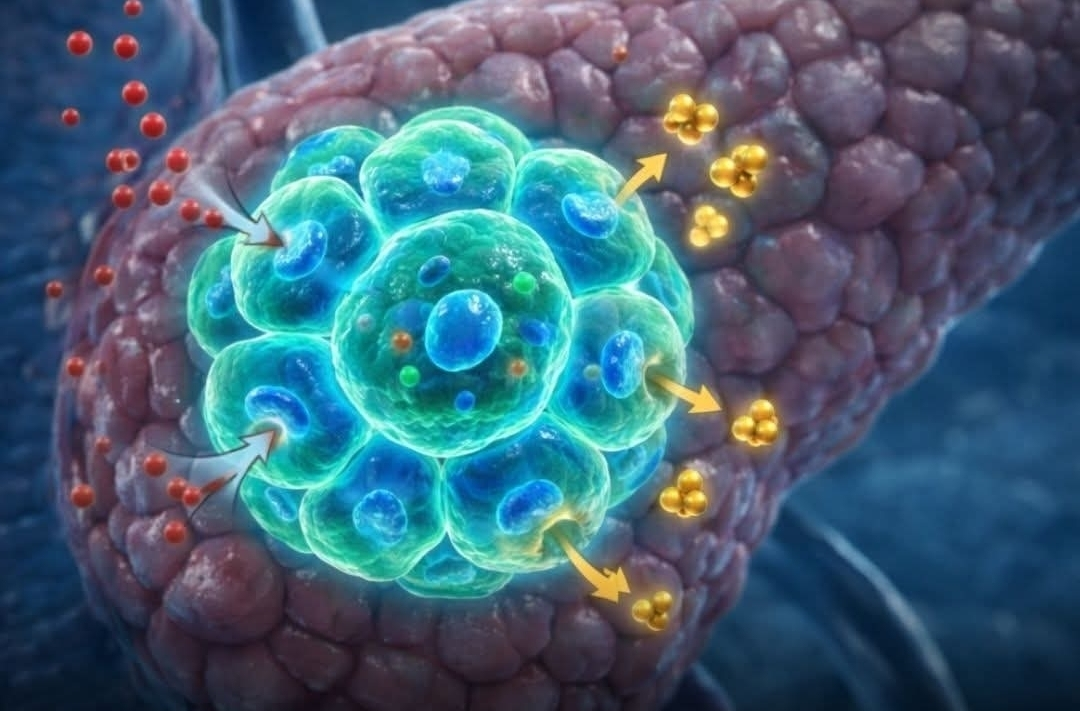
Early studies show regenerated pancreatic beta cells may restore natural insulin production, offering hope for long-term reversal of diabetes
American researchers have made significant progress in diabetes treatment after successfully restoring pancreatic beta cells responsible for insulin production, marking a potential shift in how the disease is managed.
The beta cells, which regulate blood sugar by producing insulin, are damaged or destroyed in people with diabetes—particularly type 1 diabetes. In recent studies, scientists were able to regenerate or reprogram these cells, enabling the body to resume natural insulin production.
Early clinical results show improved blood sugar control, with some patients achieving periods of insulin independence under medical supervision. Researchers say the development could move diabetes treatment beyond daily insulin injections toward restoring the body’s own biological function.
The approach focuses on regenerative medicine techniques, including stem cell therapy and gene-based methods aimed at repairing pancreatic function rather than only managing symptoms.
However, experts caution that the research is still in early stages. Further large-scale trials are needed to confirm safety, effectiveness, and long-term durability before it can be widely applied.
Despite the limitations, scientists say the findings represent a major step forward and offer renewed hope for millions of people living with diabetes worldwide.
Leave a comment
Your email address will not be published. Required fields are marked *