

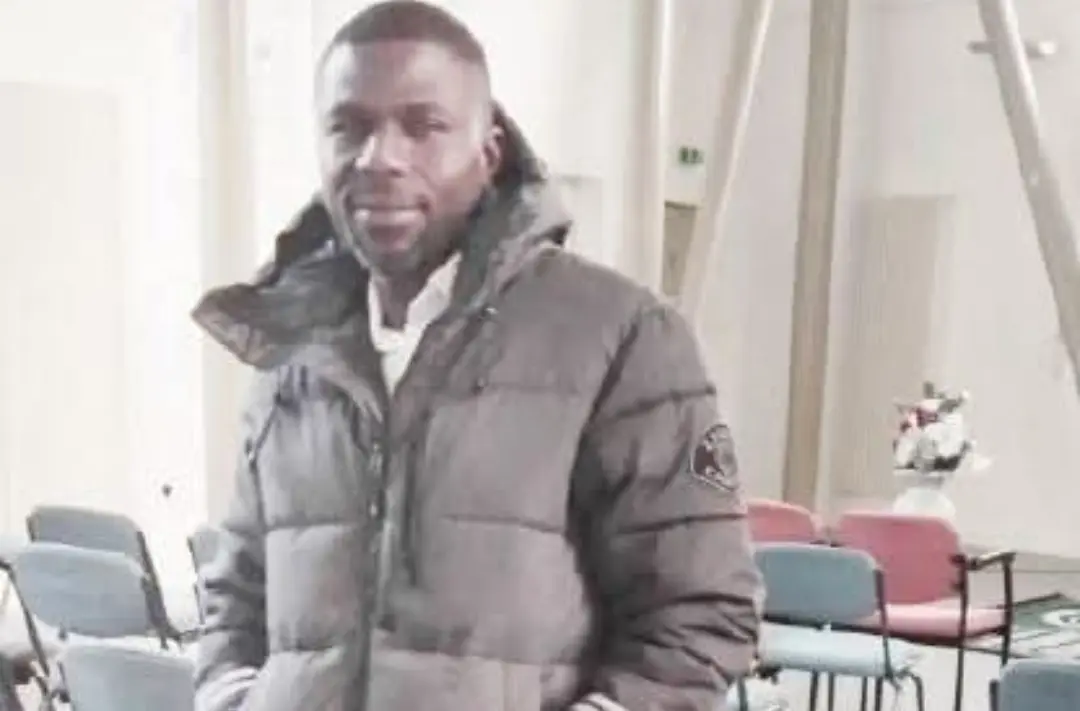
Douglas Izevbigie, 37, dies after battle with aggressive leukaemia as diaspora community launches fundraiser and calls for urgent health awareness.
The death of a 37-year-old Nigerian student, Douglas Izevbigie, in the United Kingdom has reignited concerns over chronic illnesses among Nigerians living abroad, as members of the diaspora rally support for his bereaved family.
Izevbigie reportedly passed away on January 21 at a UK hospital after battling an aggressive form of leukaemia. His death has since triggered emotional tributes and growing conversations about health awareness within the Nigerian community overseas.
A GoFundMe campaign was launched shortly after his passing to assist with funeral arrangements and related expenses. The appeal, widely circulated among Nigerians in the UK, was organised by a woman identified as Sephora, who described herself as a colleague of Douglas’ sister, Kate.
According to the organiser, Douglas relocated to the UK in 2024 to pursue a master’s degree at Sheffield Hallam University. Midway through his studies last year, he was diagnosed with aggressive leukaemia and subsequently spent extended periods in and out of hospital due to complications.
Despite his deteriorating health, Sephora said he remained determined to continue his academic pursuits.
“In the middle of his studies last year, he was diagnosed with an aggressive form of leukaemia. He underwent treatment and was frequently in and out of the hospital with complications,” she wrote.
“Even through it all, he continued trying to keep up with his studies, showing remarkable strength and determination.”
She added that Douglas died unexpectedly after he was found unwell and unresponsive in his room by his sister. He was rushed to the Accident and Emergency unit but could not be revived.
The loss has been described as particularly devastating for Kate, who had recently lost their mother in Nigeria. She had reportedly supported Douglas financially and emotionally throughout his stay in the UK and during his illness.
Explaining the rationale for the fundraiser, the organiser noted that the family intends to bury him in the UK, citing the high cost of repatriating his remains to Nigeria.
“We are raising money to cover Douglas’ funeral expenses here in the UK, as well as any other unexpected costs that may come up during this time,” the appeal read.
“The family’s plan is to lay him to rest here, as repatriation and funeral costs in Nigeria would be far too expensive.”
Following news of his death, several Nigerians took to social media to express worries about what they described as a rising number of chronic illness diagnoses among Nigerians in the UK.
On X (formerly Twitter), Modupe Adeboye-Ayoroh questioned what she called a troubling pattern.
“This is the height of too many Nigerians in the UK falling sick with chronic illnesses and passing away shortly after. Can doctors look into this pattern and educate people on possible causes and prevention?” she wrote.
Another user, @EmperorJakarta, advised Nigerians relocating abroad to prioritise early medical registration and comprehensive health checks.
“Every Nigerian that comes to the UK should immediately register with a GP and do full body checks, including all organs, to ensure there aren’t underlying issues that need to be treated or managed,” the post stated.
Tributes have continued to pour in from friends and former classmates. One acquaintance, Osamuyi, described his death as a profound loss, while another commentator, Olumide Adeyemi, questioned whether cases of leukaemia are underdiagnosed in Nigeria.
Douglas’ death comes less than a week after another Nigerian in the UK, Saburi Adeniji, died following a severe brain stem injury. Adeniji, a footballer with Kings Park Rangers FC of Sudbury, had been in intensive care before his passing.
The recent incidents have intensified conversations within the Nigerian diaspora about preventive healthcare, early diagnosis, and access to medical services abroad, with many urging greater awareness and proactive health screening for Nigerians relocating overseas.
Leave a comment
Your email address will not be published. Required fields are marked *