

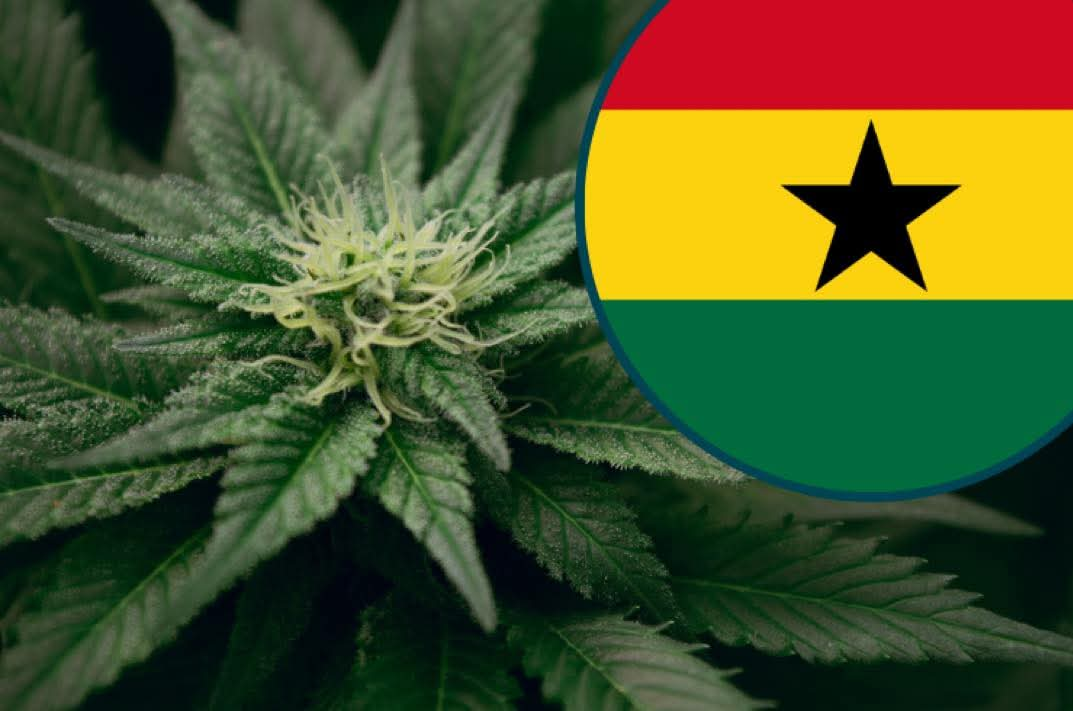
Accra unlocks 11 licensing categories for industrial and medicinal cultivation under strict THC limits, positioning Ghana as a regulated gateway to the global cannabis market.
Ghana has legalised cannabis farming for industrial and medicinal purposes, with its Narcotics Control Commission opening applications for cultivation licences in a move that repositions the West African nation within a fast-expanding global hemp economy.
The commission confirmed Wednesday that the licensing window follows the formal launch of Ghana's national cannabis regulatory framework on February 26, unveiled by Interior Minister Muntaka Mohammed-Mubarak. The regime operationalises Section 43 of the Narcotics Control Commission Act, 2020, alongside Legislative Instrument 2475.
All permitted cannabis must contain no more than 0.3 per cent tetrahydrocannabinol on a dry weight basis — a threshold consistent with international hemp standards that draws a firm legal boundary between regulated industrial cultivation and prohibited narcotics use.
Licensed growers will operate under one of two sanctioned tracks. Industrial cultivation targets high-quality fibre and seed production, feedstock for textiles, construction materials and food products. The medicinal track directs cultivation toward pharmaceutical development and health-related manufacturing.
The commission has structured access across 11 licensing categories spanning the full cannabis value chain — covering cultivation, processing, breeding, research and development, laboratory testing, storage, transportation, and import and export, among others. Both individuals and corporate entities are eligible to apply.
Officials described the initiative as a "strategic shift toward harnessing the economic and health potential of cannabis while maintaining the highest regulatory standards," saying the programme is designed to generate jobs, attract investment, advance pharmaceutical research and stake Ghana's claim in a global medicinal cannabis market projected to be worth tens of billions of dollars by the end of the decade.
The Narcotics Control Commission retains oversight authority across all licence categories.
Leave a comment
Your email address will not be published. Required fields are marked *