

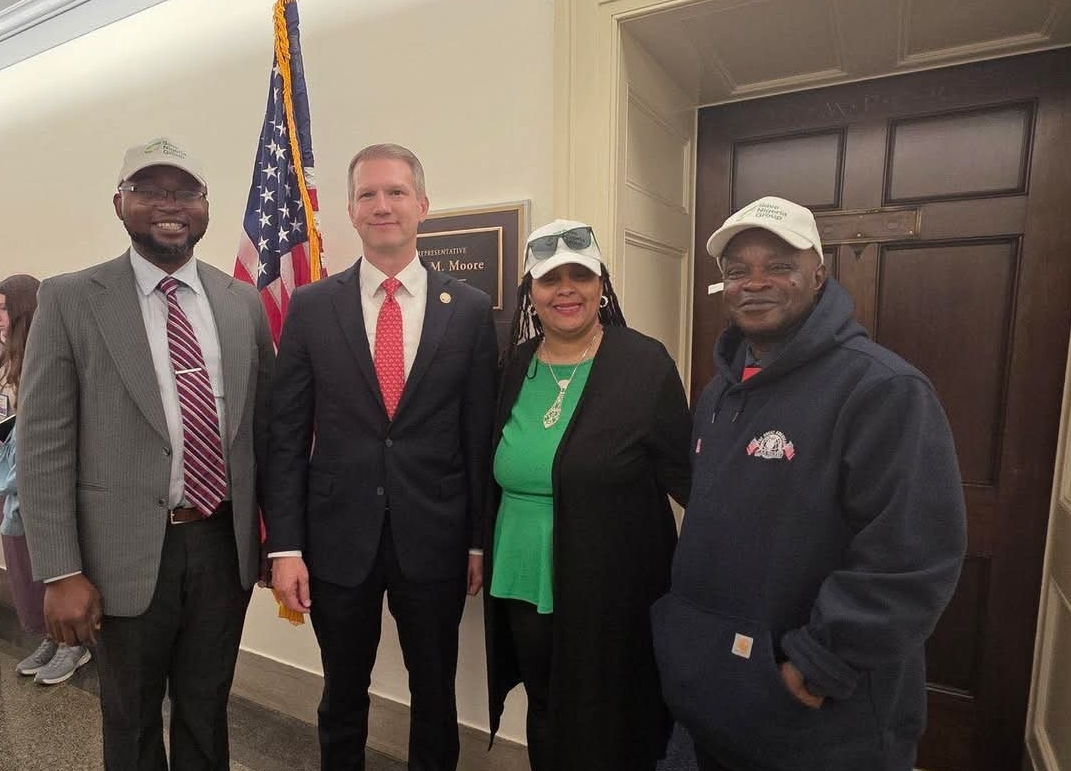
Moore calls reported attacks on Christians in Plateau State “unconscionable,” urges Washington to take stronger counterterrorism action as Nigerian government faces criticism over response
A United States Congressman, Riley Moore, has publicly urged President Donald Trump to take urgent action regarding reported violence in Nigeria’s Plateau State, where he claims Christians have been targeted in deadly attacks.
In a statement shared on X (formerly Twitter), Moore referenced a previous visit to Nigeria, stating that the Nigerian government had responded quickly to a reported coup attempt in Benin, but has allegedly failed to act decisively amid what he described as ongoing attacks on Christian communities within its own borders.
He wrote that Christians were “viciously murdered by radical Islamic terrorists” while gathered for a mass burial for victims of an earlier attack, describing the situation as “unconscionable” and accusing authorities of failing to act despite early warnings of impending violence.
Moore further argued that the Nigerian government has the capacity to address insecurity but has not done enough to prevent repeated attacks, saying:
“The Nigerian Government could root out the terrorism and stop the martyrdom of its own citizens. But, despite receiving early warnings of impending attacks, they are nowhere to be found as Christians are murdered for their faith.”
The Congressman also welcomed the inclusion of Nigeria in the Trump administration’s updated counterterrorism strategy, specifically regarding protections for Christians, and called for “forceful action” to defend affected communities in Nigeria’s Middle Belt region.
He concluded by urging the US administration to intensify its response, describing the situation as an urgent humanitarian and security concern.
The Nigerian government has not issued a direct response to Moore’s latest comments at the time of reporting.
The Plateau State region has in recent years experienced cycles of communal violence and security operations, often linked by authorities to farmer-herder conflicts, armed groups, and broader insecurity challenges affecting parts of central Nigeria.
Leave a comment
Your email address will not be published. Required fields are marked *