

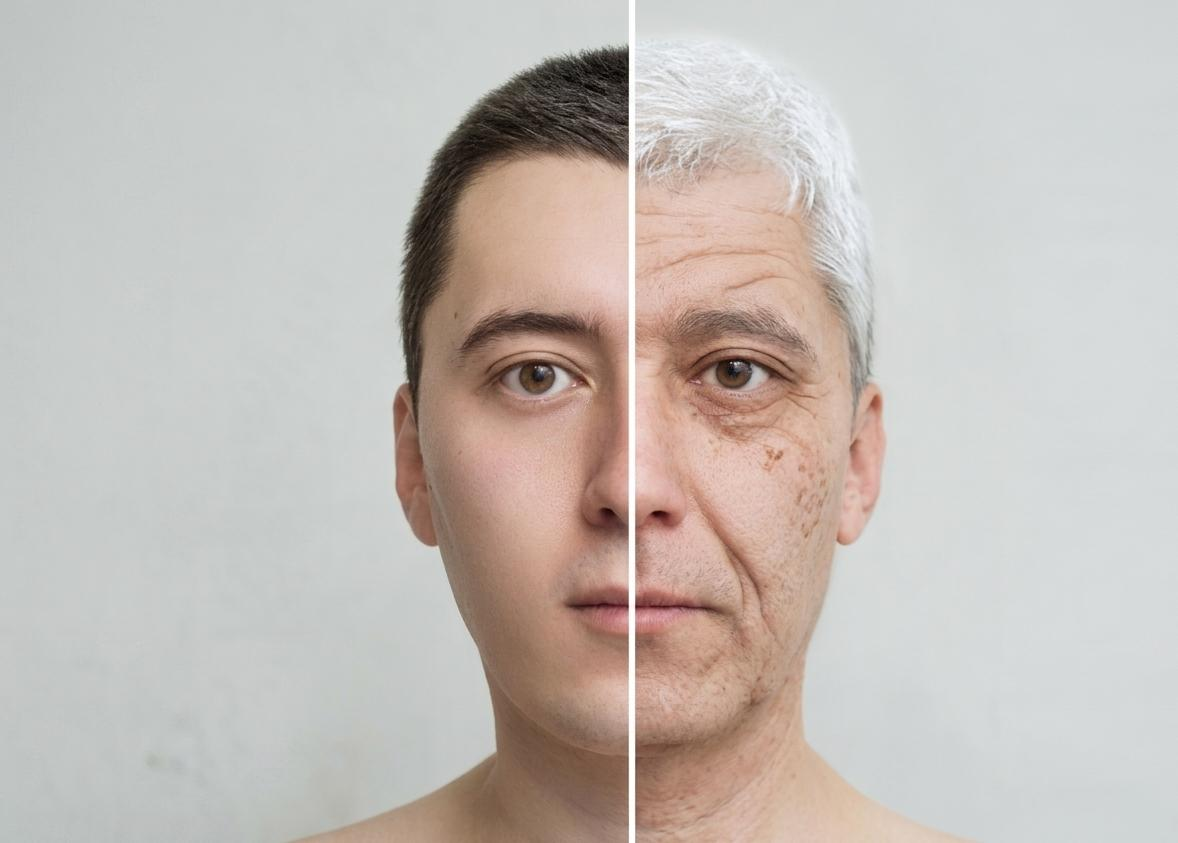
Medical insights reveal how everyday lifestyle choices—not just age—drive early cellular damage and what you can do to slow the process.
Many people assume aging is simply a function of time. From a medical standpoint, however, that belief is incomplete. Aging is not determined by years alone—it is heavily influenced by how the body is treated daily.
It is not uncommon to see a 25-year-old who looks significantly older, while someone in their 50s appears youthful, energetic, and healthy. While genetics play a role, lifestyle choices are often the deciding factor.
Health science explains aging as a result of cumulative cellular damage, particularly to DNA. The body continuously repairs itself, but when damage outpaces repair, the aging process accelerates—internally first, then externally. This can begin as early as the twenties and thirties.
Below are key behaviors known to speed up aging, along with medically recommended changes:
Smoking: Stop Immediately
Smoking deprives cells of oxygen and breaks down collagen, the protein responsible for firm and elastic skin. It also introduces toxins that damage tissues at a cellular level. While the visible effects include dull and sagging skin, the internal harm is far more severe. There is no safe level of smoking—cessation remains the only effective solution.
Lack of Sleep: Prioritize Quality Rest
Sleep is essential for biological repair. During deep sleep, the body releases growth hormones that restore tissues, regulate immunity, and maintain skin health. Inadequate sleep raises cortisol levels, accelerating cellular breakdown. Prioritizing both sleep duration and quality is critical.
Chronic Stress: Manage It Effectively
Long-term stress keeps cortisol levels elevated, which contributes to collagen breakdown, weakened immunity, and reduced cell lifespan. This is not just an emotional issue—it has direct physical consequences. Managing stress through rest, boundaries, and mental resilience is essential.
Poor Diet: Eat for Repair, Not Just Satisfaction
Excess sugar damages skin structure, while nutrient deficiencies impair the body’s ability to repair itself. Highly processed foods increase inflammation, further accelerating aging. A balanced diet rich in vegetables, fiber, and quality protein supports cellular health and slows degeneration.
Alcohol Intake: Reduce or Avoid
Alcohol dehydrates the body and places strain on the liver, which is responsible for detoxification. When the liver is overburdened, toxins accumulate, affecting both internal organs and skin health. Moderation is important, though avoiding alcohol offers the greatest benefit.
Sun Exposure: Protect Your Skin Daily
Ultraviolet (UV) radiation damages skin cells and increases the risk of skin cancer. Protection is necessary for all skin tones. Regular use of sunscreen, protective clothing, and limiting prolonged sun exposure—especially in high-UV regions—are essential preventive measures.
Obesity: Maintain a Healthy Weight
Excess body fat disrupts metabolic balance and places strain on vital organs, increasing the risk of conditions such as diabetes. These factors accelerate internal aging. Sustainable weight management through balanced nutrition and physical activity is key.
Air Pollution: Limit Exposure
Polluted air introduces harmful particles into the lungs and bloodstream, triggering inflammation and long-term damage. Reducing exposure—by avoiding polluted environments and adopting protective measures—can help mitigate these effects.
Dehydration: Stay Consistently Hydrated
Water is essential for nearly every bodily function. Inadequate hydration reduces skin elasticity and slows internal processes. Maintaining proper fluid intake is one of the simplest yet most effective ways to support healthy aging.
Negative Thinking and Isolation: Protect Mental Health
Persistent negativity and social isolation can increase stress levels and weaken the immune system. Research suggests they may also shorten telomeres, which are linked to cellular aging. Maintaining social connections and a balanced mental outlook is vital for overall health.
Aging may be a natural part of life, but how quickly it happens is, to a large extent, within your control. The small, consistent choices made each day—how you eat, sleep, think, and care for your body—either slow down or speed up the process at a cellular level.
Medical evidence continues to show that the body responds to discipline. When you reduce harmful habits and adopt healthier ones, you give your cells the chance to repair, regenerate, and function optimally for longer.
Leave a comment
Your email address will not be published. Required fields are marked *